


We are a Morris dancing side from the Norfolk/Suffolk border in East Anglia. Our membership includes men and women of a range of ages.
Of course we wear bells, as well as our unique Hoxon Hundred baldrics in our very own red and green colours. The emblem on our baldrics is that of King Edmund, slain in Hoxne in 870.
Using sticks and handkerchieves and usually dancing in teams of six or eight, we strive to make our performances entertaining and polished, drawing on the many traditions that make up Morris dancing.
We dance at festivals, fetes, and other events across the region.
Practice is on Wednesday evenings from 7.30pm at Hoxne village hall, from September to April. From May onwards we dance out on Wednesday evenings at pubs in the Waveney Valley and surrounding areas.
Morris dancing has many variations and even the villages where Cotswold Morris has been danced often have differences between dances of the same name.
The Cotswold dances that Hoxon Hundred perform follow the steps and movements set out in a book by the late Mike Barclay, who was Cotswold foreman at Hoxon for 22 years to 2005. We are grateful to have his guidelines.
The origins of Morris dancing are lost in the mists of time. Written mentions go back to the 15th century.
In 1448 the Goldsmiths Company of London paid for a 'Moryssh daunce' as part of a public pageant.


In 1599 Shakespearean actor Will Kemp danced from London to Norwich after falling out with the playwright. In Kemp's book about the journey he described his dancing as a 'Morrice', seeming confident people would know what he was talking about.
Kemp danced within a few miles of Hoxne. He describes various places on his journey, recording that from Bury St Edmunds he danced up to Thetford before proceeding via Hingham to Norwich.

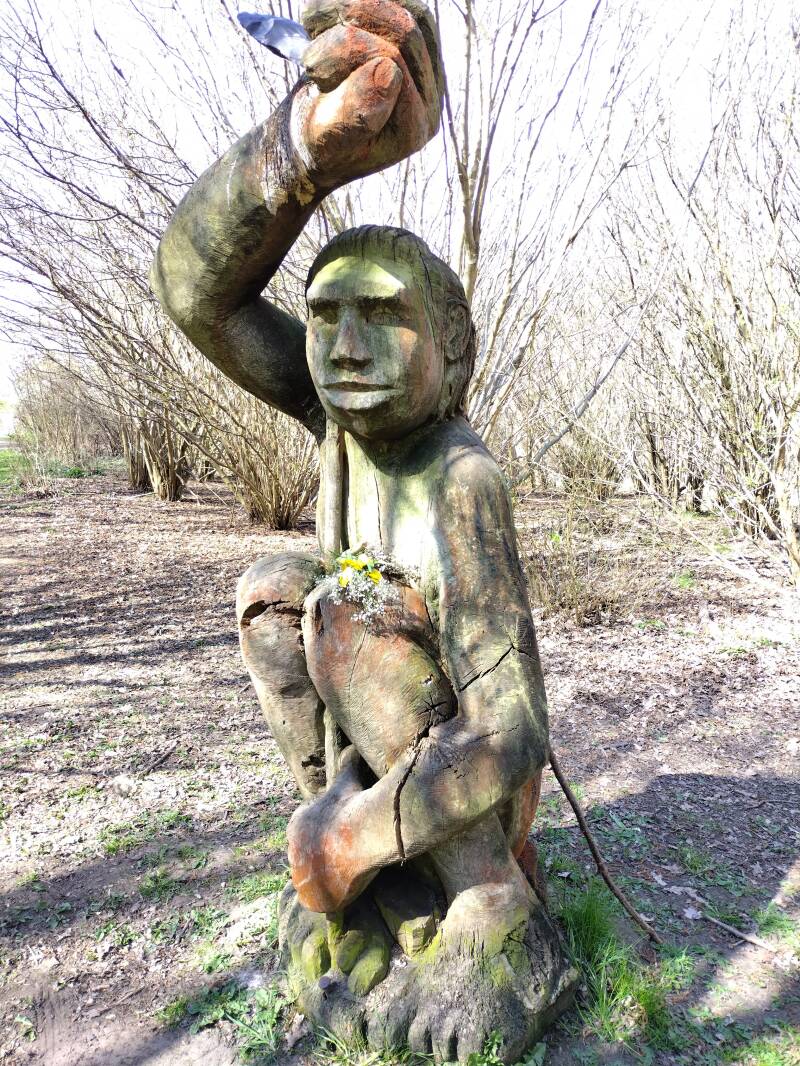
This is Brakey Man, crouching with what looks like a Morris dancing stick in Brakey Woods in Hoxne.
He commemorates the discovery in Hoxne of flint tools from 400,000 years ago, a find which has led to the village having a geological era named after it, the Hoxnian Stage.
No doubt Brakey Man had more mundane uses for his stick but it would be nice to think he and his Stone Age mates did a bit of Morris Dancing from time to time.
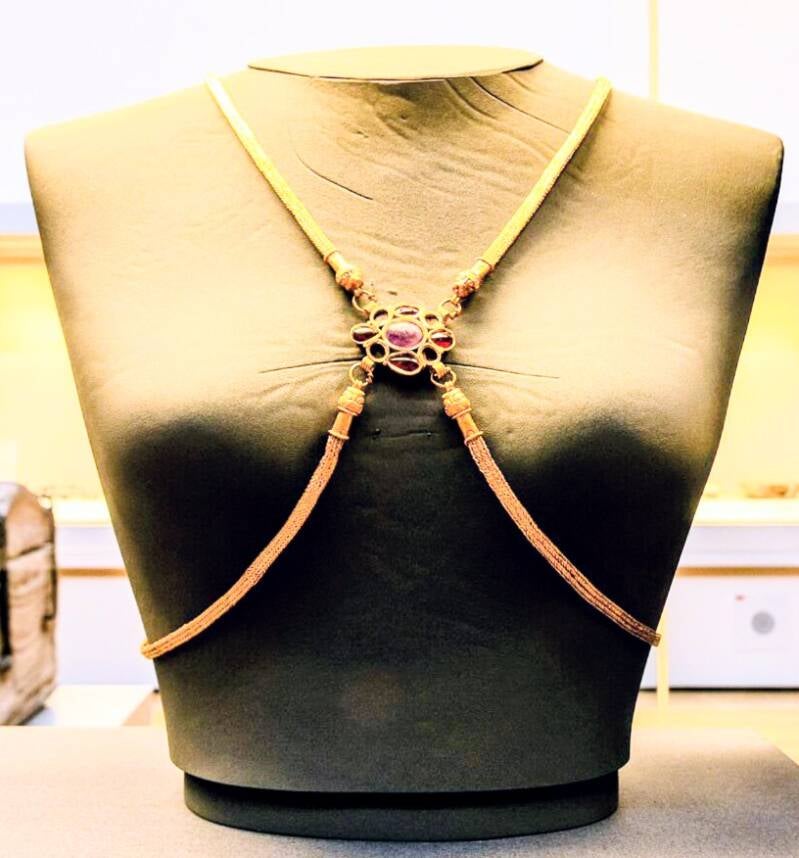
This golden body chain in the shape of a Morris dancing baldric was just one of the priceless items in the Hoxne Hoard of Roman treasure, found by Eric Lawes with a metal detector in a field in Hoxne. The treasure is now on display in the British Museum.
The items include 14,865 gold, silver and bronze Roman coins from the fourth and fifth centuries, the greatest ever hoard of coins found from that era.
Also in the treasure are around 200 pieces of silver tableware and gold ornaments.
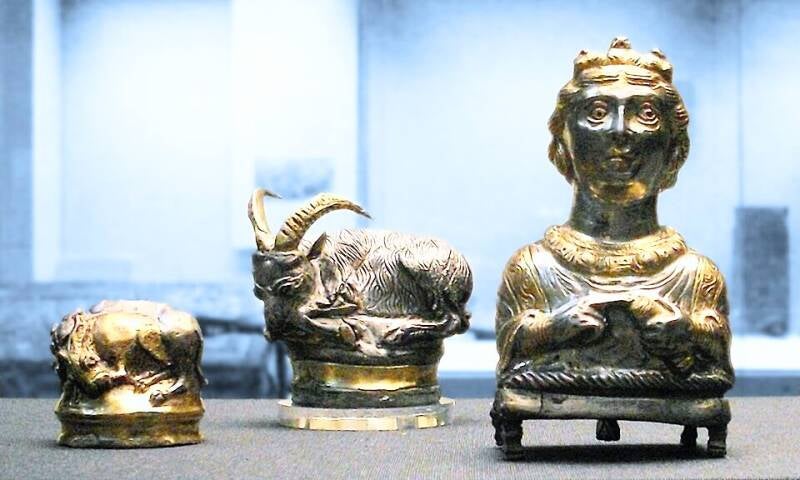
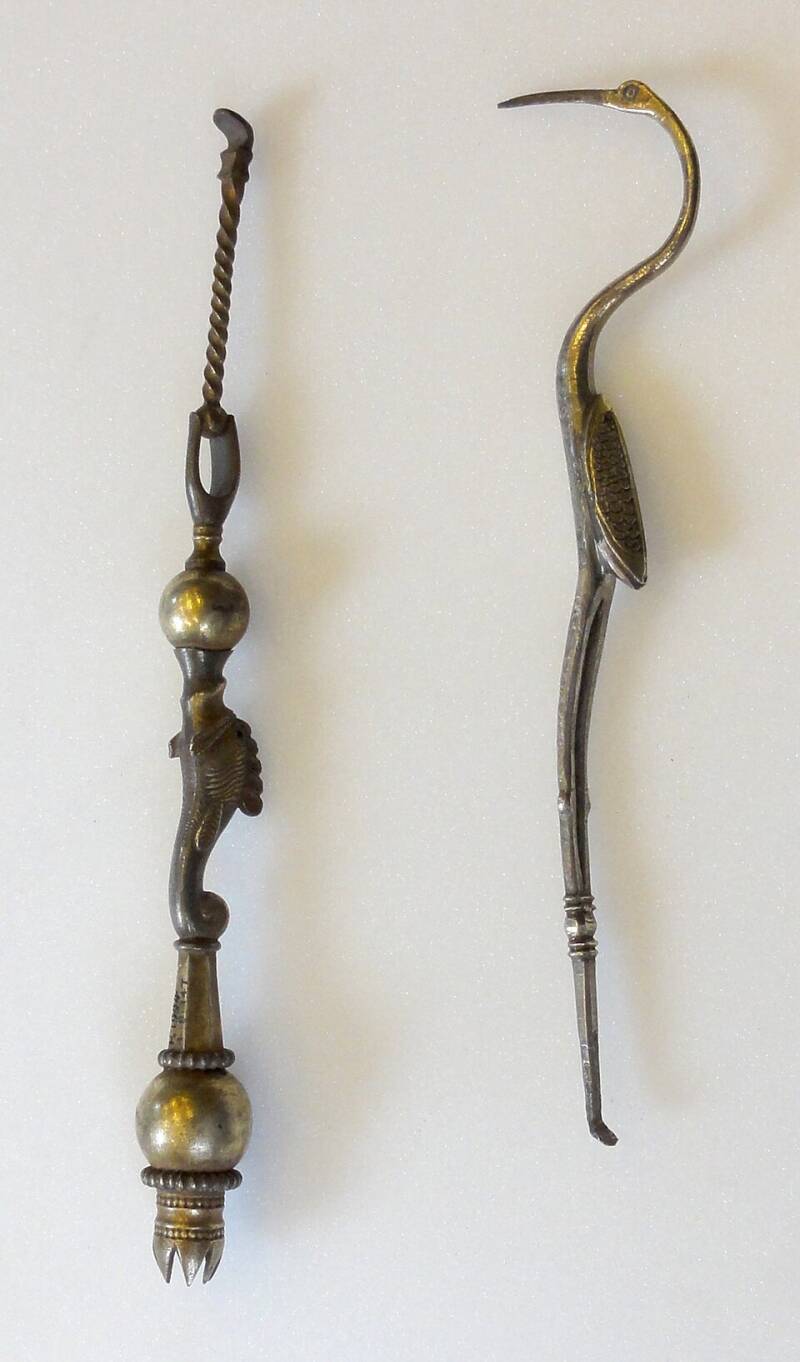
pictures from Wikipedia
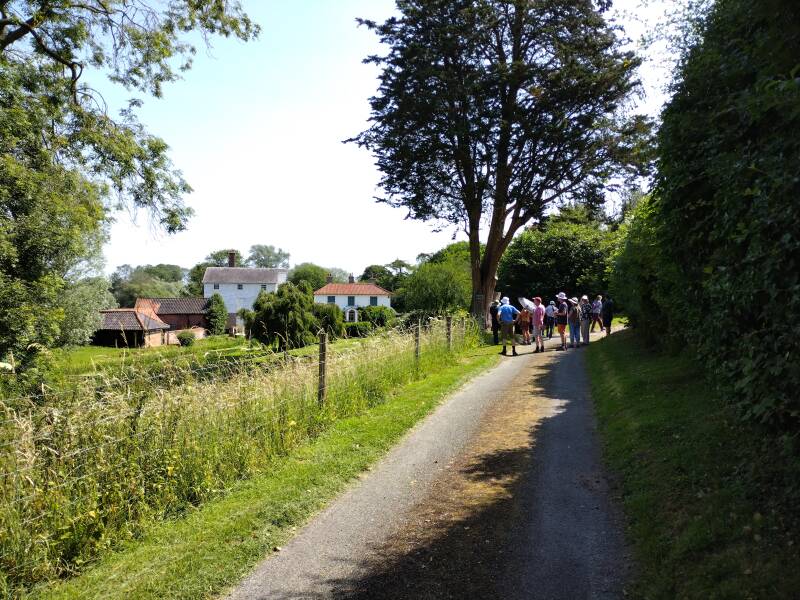
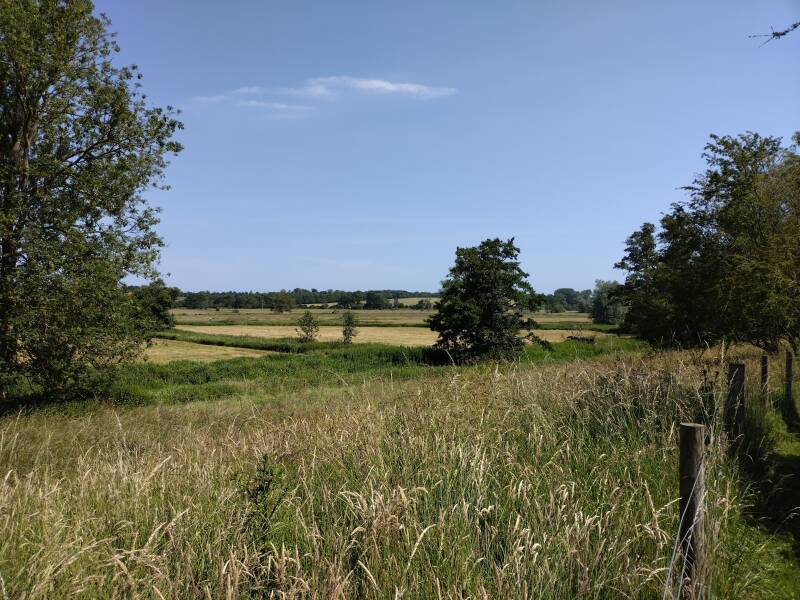
On its northern boundary, Hoxne stands alongside the River Waveney, benefitting from glorious views over the valley.
At dawn on 1st May, the most significant day in the Morris Dancing calendar, the sun shines directly up the Waveney valley to Hoxne and beyond as it rises from the sea at Hopton on the Norfolk/Suffolk coast. This phenomenon is well documented.
The coming of spring is widely celebrated all over Europe with ceremonies known in Britain as Beltane.
Hoxon Hundred always dance out in the Waveney valley area on 1st May, though not at dawn as many Morris sides do.
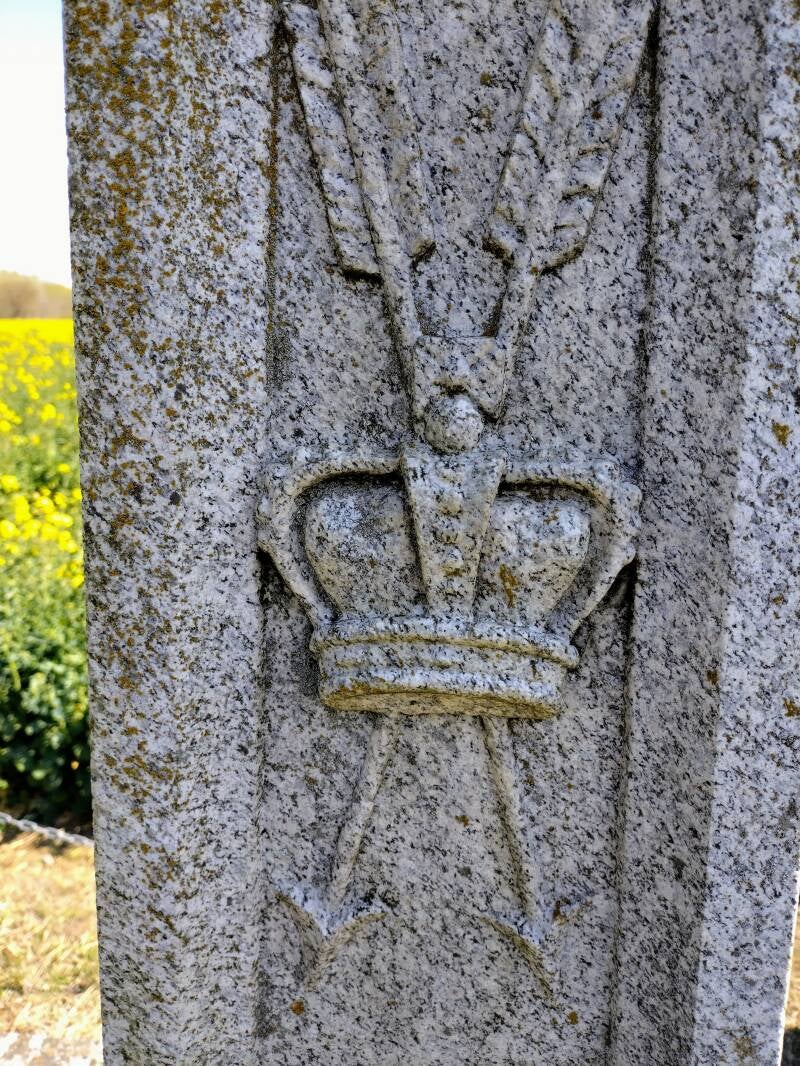
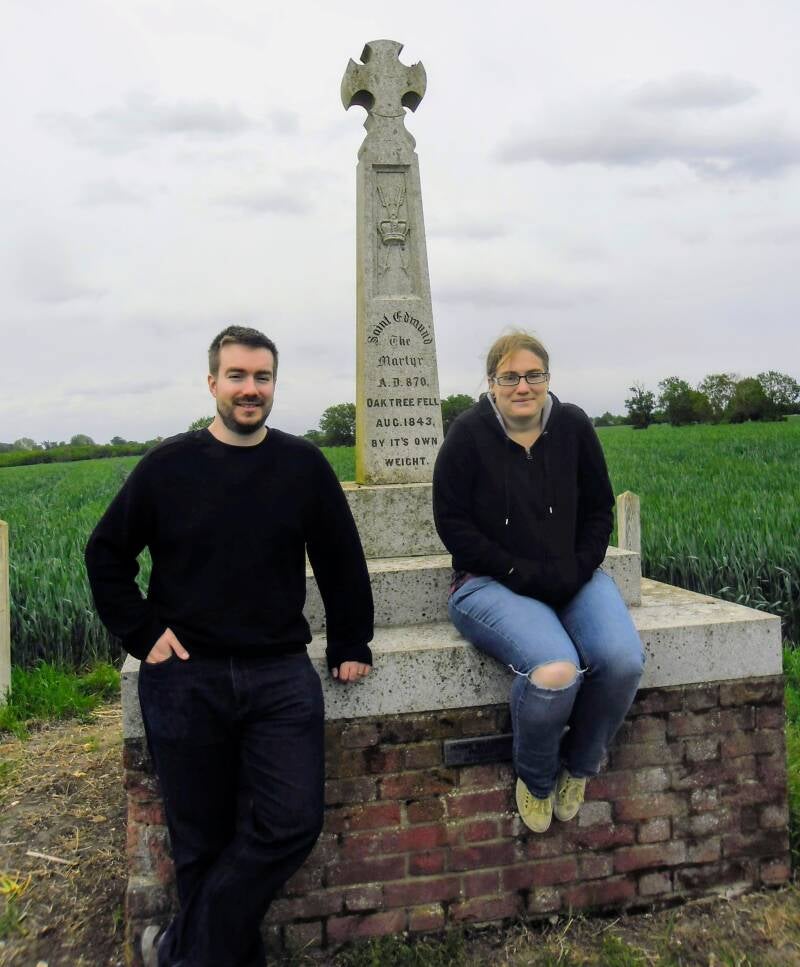
The emblem on the rosettes on Hoxon Hundred's baldrics is the emblem of King Edmund, killed in Hoxne in the year 870. The emblem is also on the memorial to King Edmund in Hoxne at the place where he is believed to have been slain.
The legend is that after losing a battle against the Danes, King Edmund hid beneath Hoxne's Goldbrook Bridge, which still stands, next to Hoxne Village Hall where Hoxon Hundred practise on Wednesday evenings.
Edmund was betrayed by a newly married couple who saw his golden spurs glint beneath the bridge. The Danes tied Edmund to a tree where his memorial now stands and shot arrows at him until he died.
When Edmund's followers came to recover his body they could not find his head. It was located in the nearby wood, guarded by a wolf, who relinquished it to the followers.
Edmund was patron saint of England until Edward III replaced him with St George.